Solar Panels That Actually Save You Money
Cut your electric bill, bump up your home's value, and stop sweating every rate hike. We size, design, and install systems that fit your house, not the other way around.
Why Go Solar?
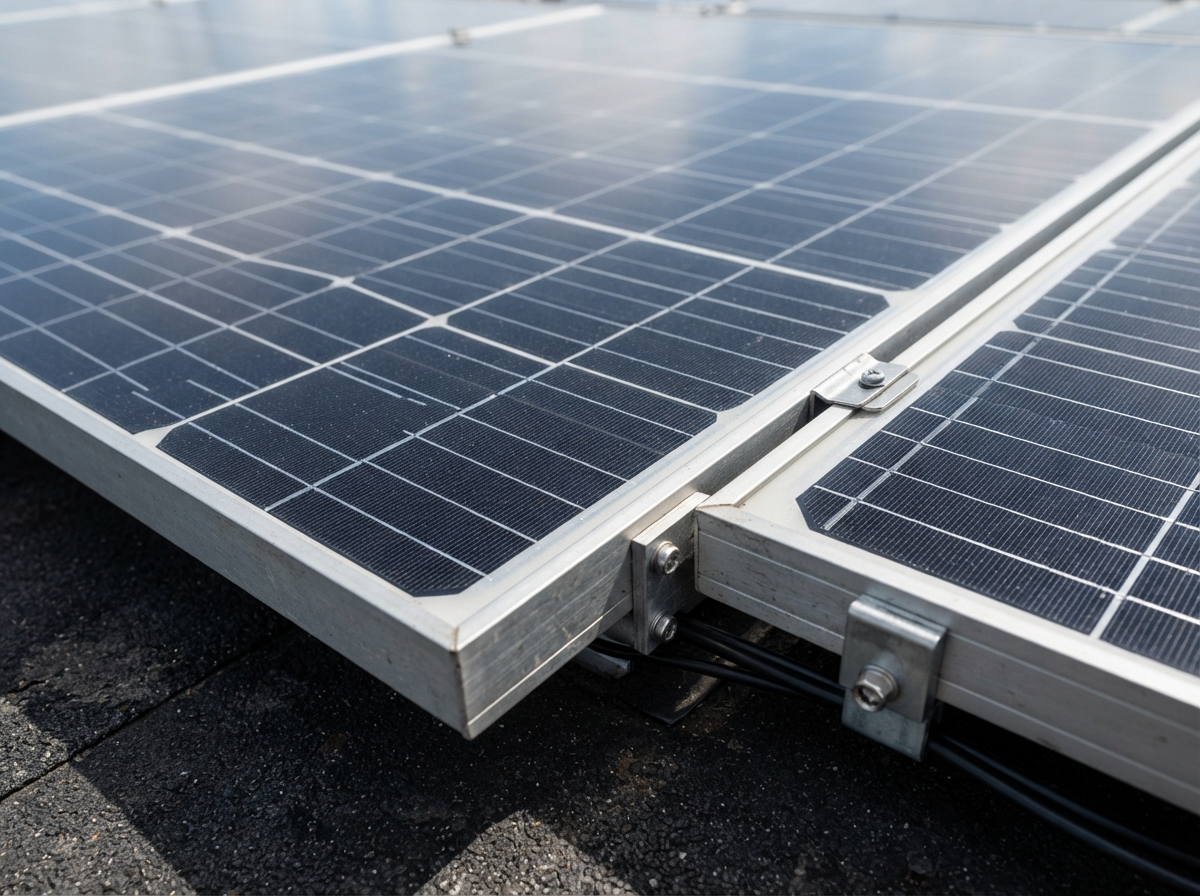
Here's how it works. Solar panels use photovoltaic cells, basically thin wafers of silicon, to turn sunlight into electricity. When sunlight hits a cell, it knocks electrons loose, and that flow becomes direct current (DC) power. An inverter flips that into the alternating current (AC) your home runs on. No moving parts, no noise, nothing to wear out.
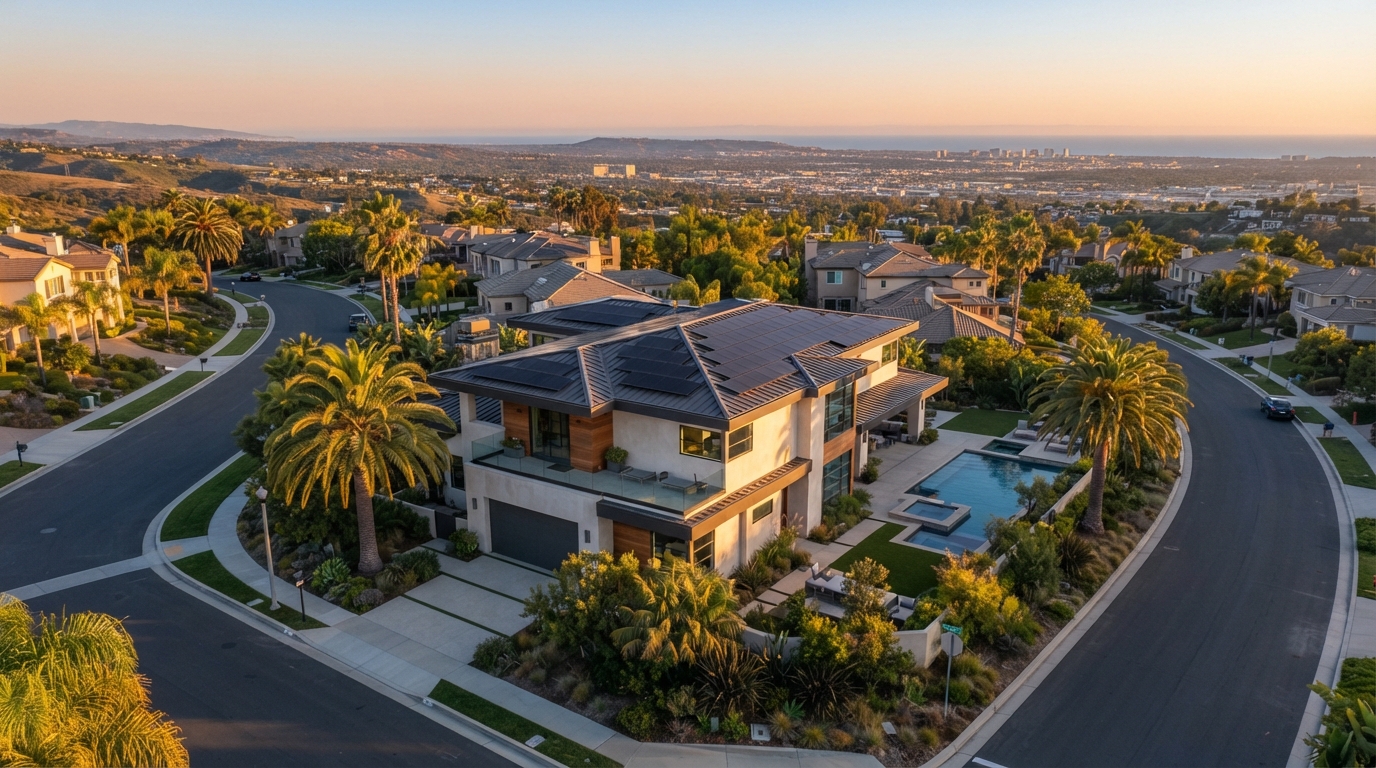
Living down here, you've got one of the best solar setups in the country. San Diego and LA counties see 260-plus sunny days a year, so a right-sized system can crank out most of what an average house uses. That's less money to the utility every month, a hedge against rate hikes, and a real cut to your carbon footprint.
With the federal tax credit and net metering, where the utility pays you for power you send back, the math keeps getting better. Lower bills, a house that's worth more, and the freedom of making your own power. It's why so many of your neighbors have already made the jump.
What's In It for You
Going solar pays off in ways you'll notice every single month.
Slash Your Power Bill
Make your own electricity and stop sending the utility company half your paycheck every month.
Boost Your Home's Value
Houses with solar sell for more. Buyers like a place with cheap power already built in.
Lock In Your Rates
Once your panels are up, your power's basically free. No more getting blindsided by rate hikes.
Cleaner Energy
Less reliance on fossil fuels and a smaller carbon footprint, without changing how you live.
How an Install Works
From the first call to flipping the switch, here's what to expect.
1. We Talk
We look at your power bills, your roof, and what you're trying to do, then size a system that actually makes sense for you.
2. Design & Paperwork
We draw up the layout, handle all the permits, and deal with the utility company so you don't have to.
3. Install Day
Our crew mounts the panels, hangs the inverter, and wires everything to code, usually done in a day or two.
4. Flip the Switch
We test it, get the utility sign-off, and turn it on. That's when the savings start.
So, What's It Going to Cost?
Honest answer: it depends. The price comes down to how big a system you need, the panels and inverter you pick, how tricky your roof is, and which incentives you qualify for. The federal solar tax credit lets you deduct a big chunk of the cost from your federal taxes, and California won't raise your property taxes when solar bumps up your home's value. That alone can be worth a lot.
There are state rebates, net metering credits, and financing options like $0-down loans and leases that bring the upfront cost way down. A lot of homeowners end up paying less per month for their solar than they used to pay the electric company, so they're saving from day one. Most systems pay for themselves in a handful of years and then just keep cranking out free power for decades after.
See What I'd SaveThinking About Going Solar?
Get a free quote with real numbers, no pressure, no pushy salesperson. Just honest answers from a crew that's been doing this for years.
Get My Free Quote